

At Ulap design, we believe that interior design is more than just arranging furniture: it’s about creating spaces that resonate with our values and lifestyle.
Whether you’re redecorating a single room or designing your entire home, understanding key interior design principles is essential. These principles help ensure that your space is not only beautiful but also functional, sustainable, and reflective of your personality.
Join us as we explore the 10 fundamental principles of interior design, infused with our ethos of eco-friendly, Made in Italy, and slow design.
10 Essential Interior Design Principles
Balance
Balance in interior design refers to the distribution of visual weight within a space. Achieving balance involves arranging elements so that no single part overpowers another, creating a sense of harmony.
- Symmetrical Balance: This type of balance is achieved by placing identical objects on either side of a central point, creating a mirror image.
- Asymmetrical Balance: Asymmetry involves using different objects of similar visual weight to create a balanced, yet more dynamic look.
- Radial Balance: This type involves elements arranged around a central point, like a round dining table with chairs.
Balance ensures your room feels stable and harmonious, providing a comfortable space for relaxation and interaction.
Rhythm
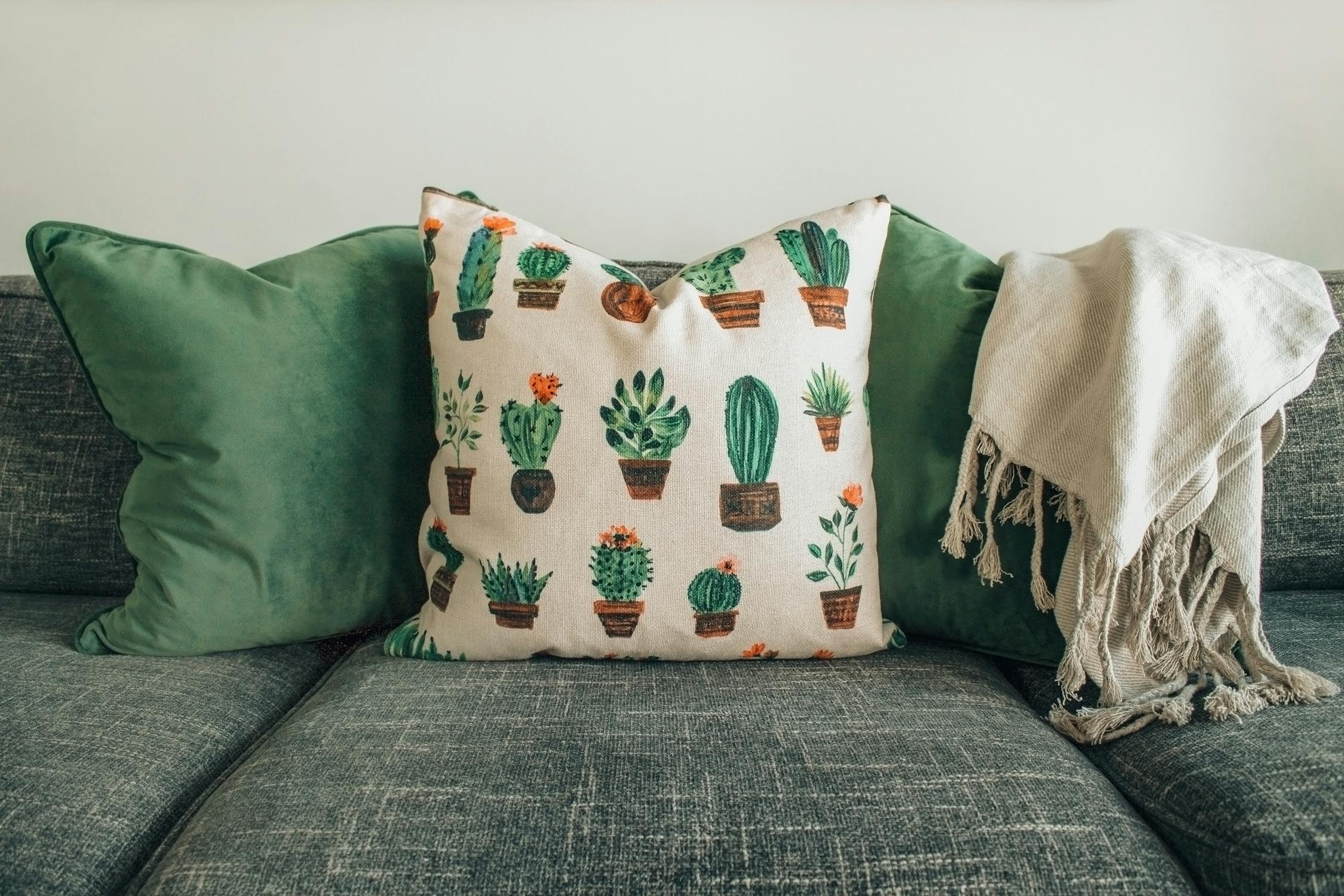
Rhythm in design is about creating a sense of movement in a room, guiding the eye from one part to another. This can be achieved through repetition, progression, contrast, and transition.
- Repetition: Repeating elements like colors, shapes, or patterns throughout the space.
- Progression: Gradually increasing or decreasing the size of similar elements.
- Contrast: Placing contrasting elements next to each other to create visual interest.
- Transition: A smoother flow from one area to another, such as using curved lines.
Rhythm adds life to your space, making it engaging and cohesive.

Harmony
Harmony is achieved when all the elements in a room work together to create a unified composition. This principle ensures that every item, color, and texture feels like it belongs to a single, coherent vision.
To achieve harmony, choose a consistent color palette, materials, and style throughout your space. This doesn’t mean everything has to match perfectly, but rather that there is a sense of connection and flow between the different elements.
Contrast
Contrast creates visual interest by highlighting differences in form, color, texture, or pattern. This principle prevents a space from becoming monotonous and can draw attention to key features.
For example, pair light walls with dark furniture, mix smooth and rough textures, or combine modern and vintage pieces. Contrast should be used thoughtfully to avoid overwhelming the space.

Proportion and Scale
Proportion and scale refer to the size relationship between objects within a space and the overall space itself.
- Proportion: The ratio between the size of one part to another.
- Scale: The size of an object in relation to the space it occupies.
To maintain proper proportion and scale, consider the dimensions of your furniture relative to the room size. Avoid placing oversized pieces in small rooms or tiny items in large spaces. Proportionate design creates a balanced and pleasing environment.
Color
Color is a powerful tool in interior design that can set the mood, define spaces, and tie together different elements.
- Monochromatic Schemes: Use variations of a single color.
- Analogous Schemes: Combine colors that are next to each other on the color wheel.
- Complementary Schemes: Use colors opposite each other on the color wheel for high contrast.
Eco-friendly design often incorporates natural, earth-toned palettes inspired by the environment. Consider using sustainable paints and finishes to enhance both aesthetics and health.
Light in interior design
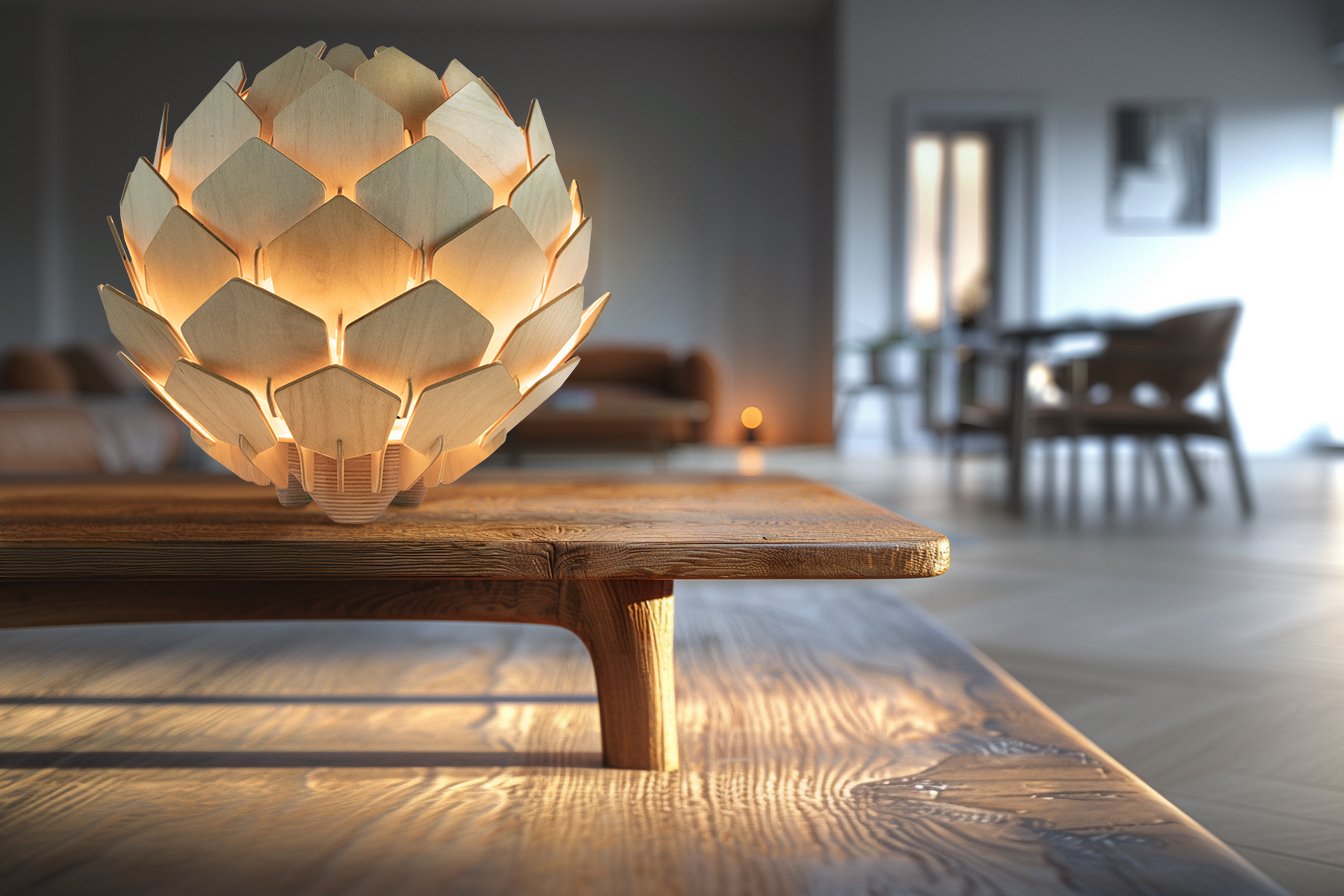
Lighting is crucial in interior design, affecting the ambiance and functionality of a space. It includes natural light, task lighting, accent lighting, and ambient lighting.
- Natural Light: Utilize windows, skylights, and reflective surfaces to maximize daylight.
- Task Lighting: Focuses on specific areas for activities like reading or cooking.
- Accent Lighting: Highlights architectural features or artworks.
- Ambient Lighting: Provides overall illumination.
Eco-friendly lighting solutions, such as LED bulbs and energy-efficient fixtures, can reduce environmental impact while enhancing the atmosphere of your space.
Texture
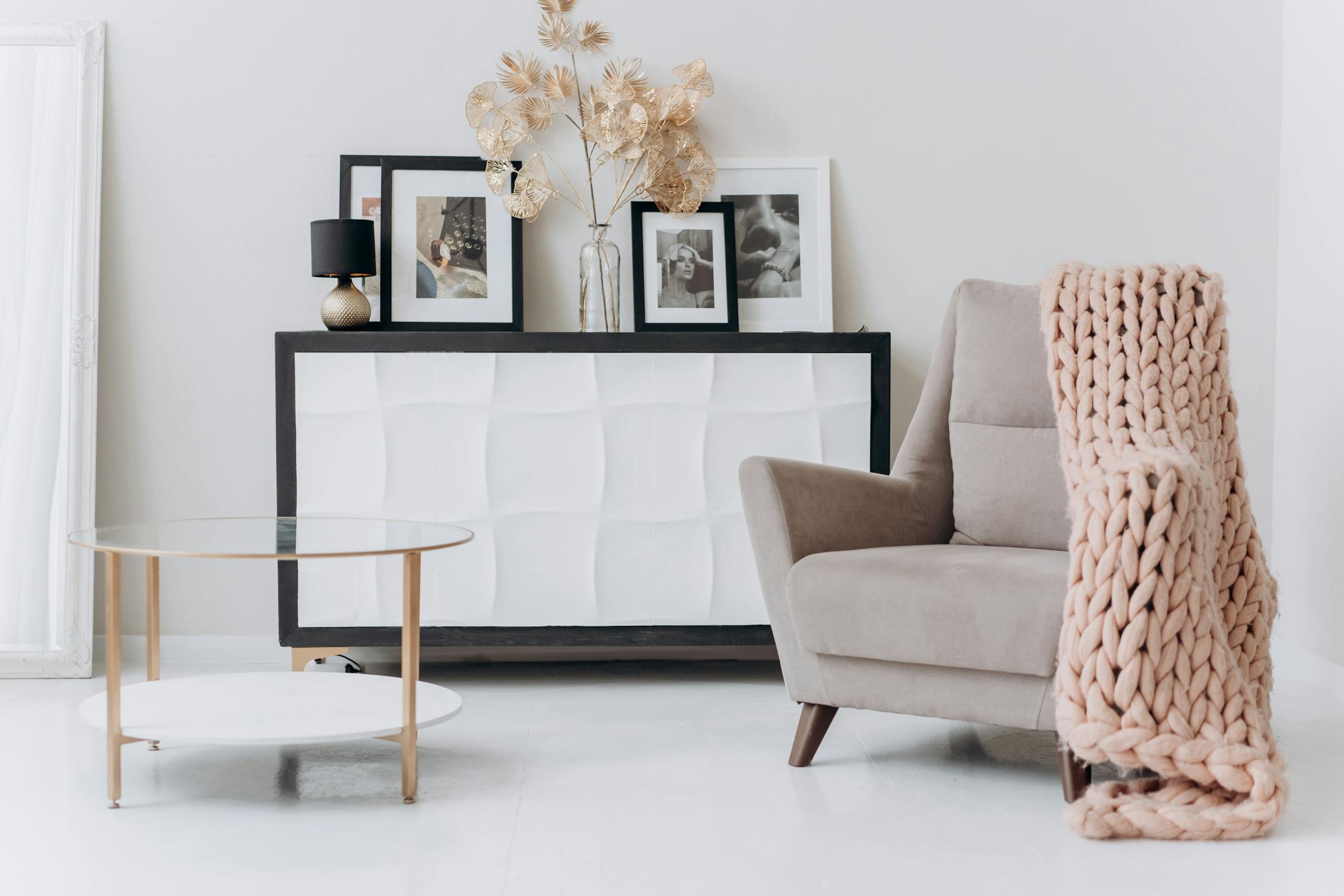
Texture adds depth and interest to a room by engaging the sense of touch. Combining different textures can make a space feel more dynamic and layered.
- Smooth Textures: Reflect more light and feel more polished and formal.
- Rough Textures: Absorb light and create a warm, cozy feeling.
Incorporate natural materials like wood, stone, and textiles to align with eco-friendly and slow design principles. These textures not only enhance visual appeal but also contribute to a more sustainable and organic environment.
Functionality
A beautifully designed space must also be functional. Consider the primary uses of each room and ensure that the design supports these activities.
- Flow: Arrange furniture to facilitate easy movement.
- Storage: Incorporate sufficient storage solutions to keep the space organized.
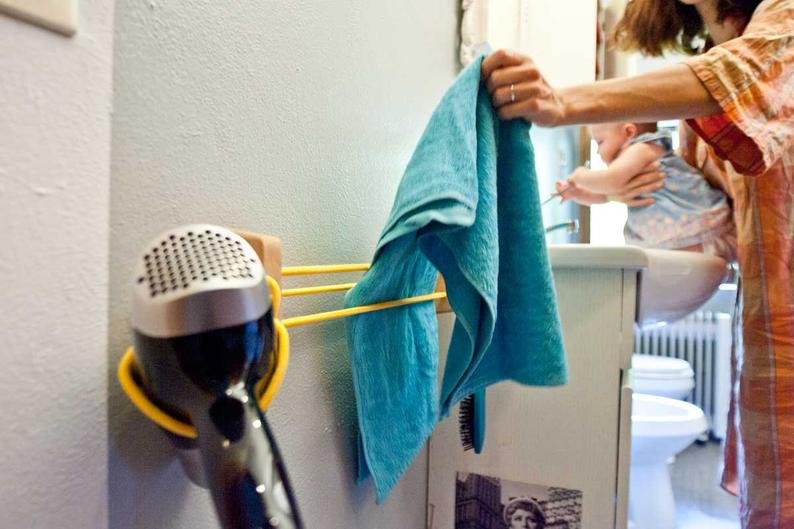
- Usability: Choose furniture and layouts that are comfortable and practical for daily use.
Functionality is a core principle of slow design, focusing on creating spaces that enhance your quality of life and well-being.
Personalization
Lastly, your space should reflect your personality and lifestyle. Personalization adds character and makes your home uniquely yours.
- Art and Decor: Display artworks, photos, and decor that resonate with you.
- Heirlooms and Mementos: Incorporate pieces that have sentimental value.
- DIY Projects: Add a personal touch with handmade or customized items.
At Ulap design, we encourage you to embrace personalization while keeping sustainability in mind. Choose items that are eco-friendly, made locally, and crafted with care.
Join Us on Our Made in Italy Journey
As we continue our journey at Ulap design, we invite you to join us in celebrating the principles of interior design that bring harmony, beauty, and sustainability to our living spaces. Follow us on Instagram for daily inspirations, design tips, and behind-the-scenes looks at our latest projects. Connect with us on LinkedIn for professional inquiries, collaborations, and discussions about eco-friendly, Made in Italy, and slow design.
Together, let’s embrace the 10 principles of interior design to create spaces that reflect our values and enhance our well-being. Explore the transformative power of thoughtful, intentional design with Ulap and discover the joy and fulfillment that comes from living in a beautifully curated and sustainable environment. Join us on this journey towards a more mindful and aesthetically pleasing world: one well-designed space at a time.
And do not forget: if you have questions and curiosity about the world of Ulap design, you will always find us here ready to answer you.
