
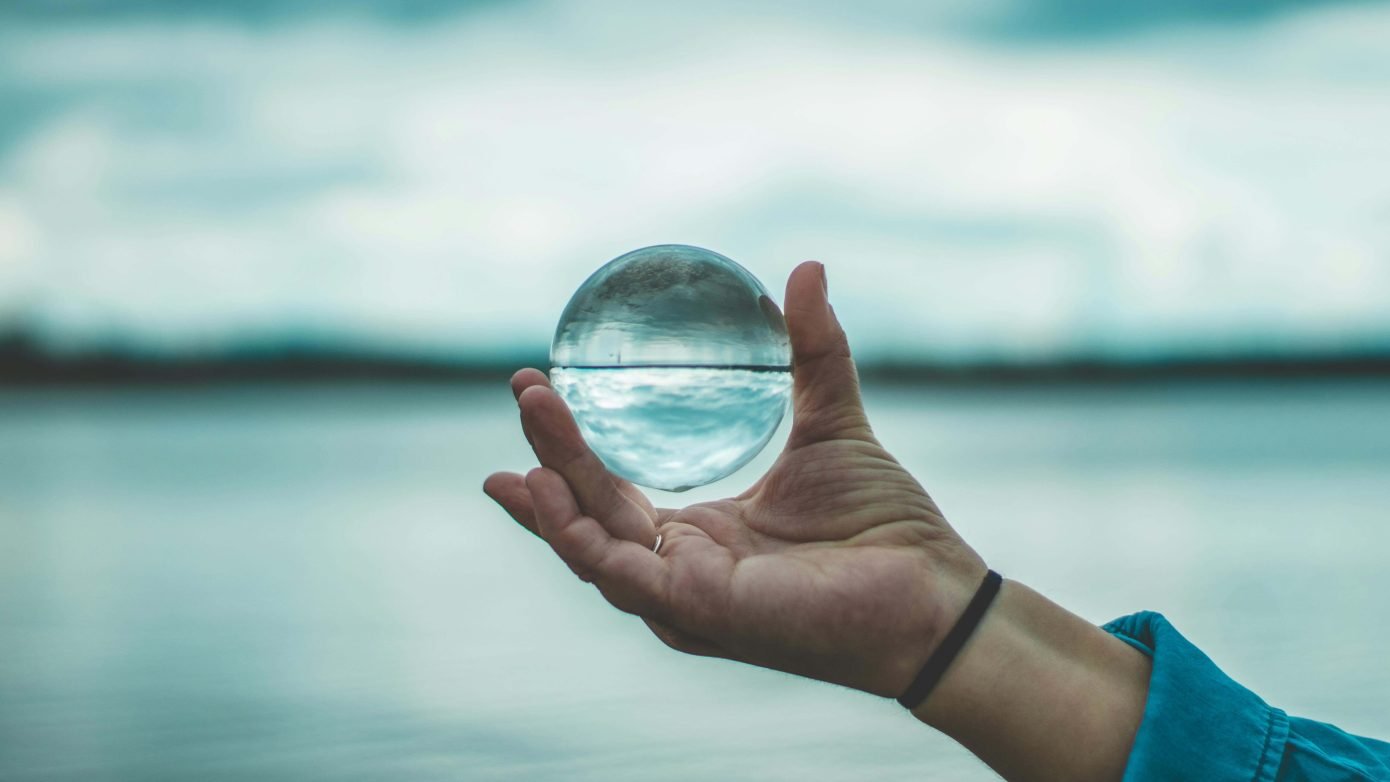
In today’s world, where the linear model of production and consumption has led to unsustainable levels of waste and resource depletion, the concept of the circular economy offers a promising solution. By reimagining the way we design, produce, and consume goods, we can create a more sustainable and regenerative economy that works in harmony with the planet.
Rethinking Design: The Principles of the Circular Economy
At the heart of the circular economy lies a fundamental shift in our approach to design. Instead of viewing products as disposable items with a limited lifespan, we embrace the concept of durability, reparability, and recyclability.
“Designing for the future means designing with the end in mind”.
Ellen MacArthur
Designing for Durability
In a circular economy, products are built to last. By prioritizing durability and quality craftsmanship, we can reduce the need for frequent replacements and minimize the environmental impact of our consumption habits. From furniture to electronics, designing with durability in mind ensures that products can withstand the test of time and be passed down through generations.
Embracing Reparability
Repair, reuse, recycle – these are the cornerstones of the circular economy. Instead of discarding broken or damaged items, we embrace the opportunity to repair and refurbish them, extending their lifespan and reducing waste. By designing products that are easy to repair and disassemble, we empower consumers to take an active role in prolonging the life of their belongings.
Promoting Recyclability
In a circular economy, waste is seen as a valuable resource rather than a liability. By designing products with recyclable materials and components, we create closed-loop systems where materials can be recovered, repurposed, and reintegrated into the production process. From biodegradable packaging to modular construction, circular design principles offer innovative solutions to waste reduction and resource efficiency.

Driving Innovation: Case Studies in Circular Design
From fashion to architecture, industries around the world are embracing the principles of the circular economy and driving innovation in design.
Fashion Forward
In the fashion industry, brands are adopting circular business models that prioritize sustainable materials, zero-waste production techniques, and garment recycling programs. Companies like Patagonia and Stella McCartney are leading the way in sustainable fashion, demonstrating that style and sustainability can go hand in hand.
Building a Better Future
In the built environment, architects and designers are exploring innovative approaches to circular construction, using recycled materials, modular design principles, and adaptive reuse strategies to create buildings that are both environmentally friendly and socially responsible. Projects like The Circular Building in London showcase the potential of circular design to transform urban landscapes and promote sustainable living.

Join Us in Redefining Design for a Sustainable Future
As we embark on this journey towards a more sustainable future, we invite you to join us in redefining design for a circular economy.
- Follow us on Instagram for daily inspiration and insights on sustainable living and circular design principles.
- Connect with us on LinkedIn for professional inquiries, collaborations, and discussions on how we can work together to create a more regenerative and resilient world.
Together, let’s embrace the circular economy as a pathway to a brighter, greener future for generations to come.
And do not forget: if you have questions and curiosity about the world of Ulap design, you will always find us here ready to answer you.
